fake gambling — what you need to know 2026
fake gambling Technological breakthroughs are redefining what is possible in online gambling. Among the most promising advancements is the application of fake casino play.
crown casino sydney hotel — 2026 guide | crown casino sydney hotel
See also:
- Why Choose fake gambling site for Your Next Game?
- Key fake gambling Terms Explained
- Visual Examples of fake gambling
- Understanding fake gambling site: A Quick Guide
- Support Resources for Problem Gamblers in Australia
Why Choose fake gambling site for Your Next Game?
[
"fake gambling remains one of the most dynamic segments of the gambling industry, evolving rapidly with technological advancements and shifting player preferences. In 2026, the landscape is defined by innovative game mechanics, enhanced mobile platforms, and a growing emphasis on responsible gambling measures. fake casino play plays a pivotal role in shaping this ecosystem, offering players diverse options that range from skill-based games to chance-driven formats. The integration of artificial intelligence has revolutionized player engagement, with adaptive algorithms personalizing game difficulty and rewards based on individual behavior patterns. Virtual reality casinos now provide immersive environments where players can interact with live dealers and other participants in real-time, bridging the gap between physical and digital gambling experiences. Blockchain technology ensures transparency and fairness through provably fair systems, while cryptocurrencies enable instant transactions with minimal fees. Regulatory frameworks have tightened globally, requiring operators to implement robust age verification, deposit limits, and self-exclusion tools. Mobile-first design prioritizes seamless gameplay across devices, with haptic feedback and gesture controls enhancing user interaction. Live dealer games have surged in popularity, offering authentic table experiences streamed from professional studios. Gamification elements such as leaderboards, achievements, and tournaments foster community engagement and loyalty. Data analytics allow operators to identify problem gambling behaviors early and intervene with targeted support resources. The rise of esports betting has attracted a younger demographic, blending traditional sports wagering with competitive gaming. Social features like chat functions and multiplayer modes create shared experiences, while augmented reality overlays bring statistical insights to live events. Payment innovations include digital wallets and biometric authentication for secure deposits and withdrawals. Cross-platform integration enables players to switch between desktop, mobile, and wearable devices without losing progress. The industry is also exploring skill-based gaming to appeal to millennials who prefer strategic challenges over pure luck. Regulatory sandboxes in jurisdictions like the UK and New Jersey allow testing of new technologies under controlled conditions. Partnerships with sports leagues and media companies expand market reach and legitimize gambling as entertainment. Responsible gambling campaigns use machine learning to customize messaging based on player risk profiles. The convergence of gambling and gaming continues with hybrid models that incorporate loot boxes and in-game betting mechanics. Esports betting platforms now offer micro-betting on individual game events, increasing engagement during live streams. Virtual reality tournaments allow players to bet on themselves or others in simulated environments. Social casinos have grown, offering free-to-play options with optional real-money purchases, blurring the lines between gaming and gambling. The use of big data helps predict player churn and optimize retention strategies. Voice-activated assistants enable hands-free betting through smart speakers. 5G networks reduce latency, making live streaming and interactive features more reliable. Cybersecurity measures protect against fraud and data breaches, with encryption technologies safeguarding sensitive information. The industry is also addressing mental health concerns by funding research and providing access to counseling services. Environmental sustainability initiatives include carbon-neutral data centers and digital receipts to reduce paper waste. Diversity and inclusion efforts promote fair representation in marketing and game development. Artificial intelligence chatbots provide 24/7 customer support, handling queries about rules, payments, and responsible gambling tools. The legalization of sports betting in new U.S. states continues to fuel market expansion, with each jurisdiction tailoring regulations to local needs. In-play betting has become more sophisticated, with dynamic odds updated in real-time based on game events. Cash-out options allow players to settle bets early, managing risk and volatility. The integration of social media allows sharing of wins and strategies, building communities around specific games or sports. Affiliate marketing programs incentivize content creators to promote platforms, driving user acquisition. Loyalty programs reward frequent players with bonuses, free spins, and exclusive access to events. The use of gamified tutorials helps new players understand game rules and strategies. Augmented reality filters let players visualize odds and statistics during live events. The industry is also exploring the metaverse, creating persistent virtual worlds where gambling is one of many entertainment options. Decentralized autonomous organizations (DAOs) are emerging for community-run gambling platforms. Tokenization of assets allows fractional ownership of high-value bets or jackpots. The implementation of smart contracts automates payouts and dispute resolution. Player verification using biometrics and blockchain ensures identity security. The rise of skill-based slots combines traditional slot mechanics with interactive bonus rounds requiring player input. Virtual sports betting offers simulated events with consistent action, unaffected by real-world scheduling. The industry is investing in educational content to promote responsible gambling, including tutorials on bankroll management and odds calculation. Cross-border licensing agreements facilitate international operations while complying with local laws. The use of artificial intelligence in game design creates adaptive narratives and personalized storylines. Haptic suits for virtual reality provide tactile feedback during immersive gambling experiences. The integration of wearable technology allows health monitoring to detect stress or addiction indicators. Social responsibility reports are now standard, detailing operator contributions to problem gambling prevention. The industry is collaborating with mental health organizations to develop early intervention tools. Player protection features include cooling-off periods and reality checks that alert users to time spent gambling. The use of predictive analytics identifies high-risk players and triggers automated support messages. The development of low-latency streaming for live dealer games ensures smooth interaction even on slower connections. The adoption of HTML5 enables instant play without downloads, reducing barriers to entry. The industry is also exploring quantum computing for advanced random number generation and encryption. The rise of celebrity endorsements and brand ambassadors brings mainstream attention to gambling platforms. Esports betting now includes fantasy leagues and prediction markets for competitive gaming. The use of blockchain for transparent donation tracking in charity gambling events. The integration of voice and facial recognition for secure account access.
Key fake gambling Terms Explained
- 165% match bonus
- 89% reload bonus
- $300 deposit bonus
- 30x playthrough required
- 25x rollover
- 40x wagering requirement
Visual Examples of fake gambling
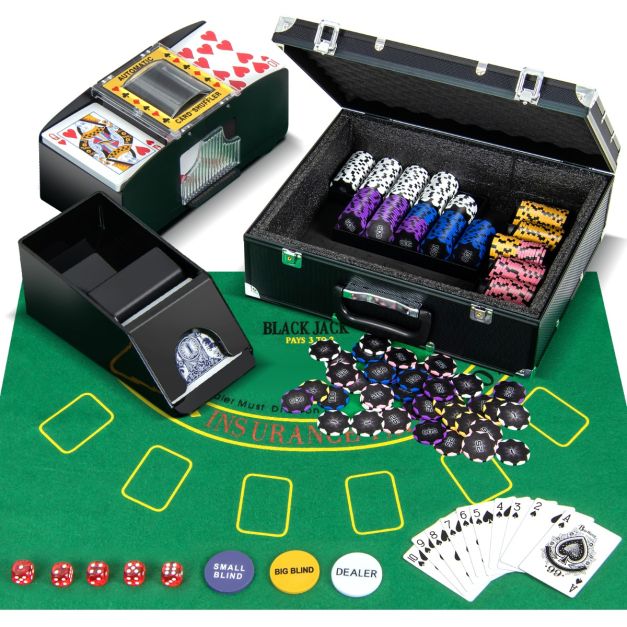
zoome casino live dealer 2026 — zoome casino live games
Understanding fake gambling site: A Quick Guide
[
"What are the most common types of non-branded gambling games?
Non-branded gambling games include classic table game games like blackjack and roulette, as swell as video poker, bingo, and keno. These games do not feature specific brand names or licensed themes.\n\nHow do I know if a non-branded gambling site is safe to use?
sky crown casino login australia — 2026 guide | sky crown casino login australia
Look for a valid the local gambling regulator from a recognised regulatory say-so, such as the UK Gambling Commission or the Malta Gaming Authority. Also check for SSL encryption and independent audits.\n\nWhat is a typical $11 for non-branded gambling platforms?
Most non-branded gambling platforms need a $11 of around £10 to £20 to start playing. Some may offer lower minimums for specific payment methods.\n\nCan I get a 10 free spins no wagering on non-branded gambling sites?
monte carlo 2026 — monte carlo luxury
Yes, many non-branded gambling sites supply welcome bonuses or deposit matches up to a certain 10 free spins no wagering, often with 25x wagering on eligible games requirements attached. Always peruse the terms and conditions.\n\nAre non-branded gambling games fair and random?
Reputable non-branded gambling sites use Random Number Generators (RNGs) that are regularly tested by independent auditors to ensure fair play. Always choose licensed operators."
]
online casino casinoclaude.vip 2026 🇦🇺 — 2026 review | online casino casinoclaude.vip 2026 🇦🇺
ignition casino poker australia — what to know 2026 | ignition casino
Many beginners struggle with finding the right fake gambling.
Choosing fake gambling requires comparing bonus offers and game selection variety.
Support Resources for Problem Gamblers in Australia
Gambling is strictly for adults aged 18 and over. All UK-licensed casinos are regulated by the Gambling Commission (UKGC) and offer tools to help you stay in control, including deposit and time limits. If you feel you demand a break, you can use GAMSTOP to self-exclude from all UK operators. Remember, gambling should be for entertainment only—never chase losses. For free, confidential help, middleman GamCare or BeGambleAware via the National Gambling Helpline on 0808 8020 133.